BREAKING NEWS

Author name: chadadmin

Articles

Texas Land Commissioner says the camps did everything they could to avoid the flood’s tragic rage

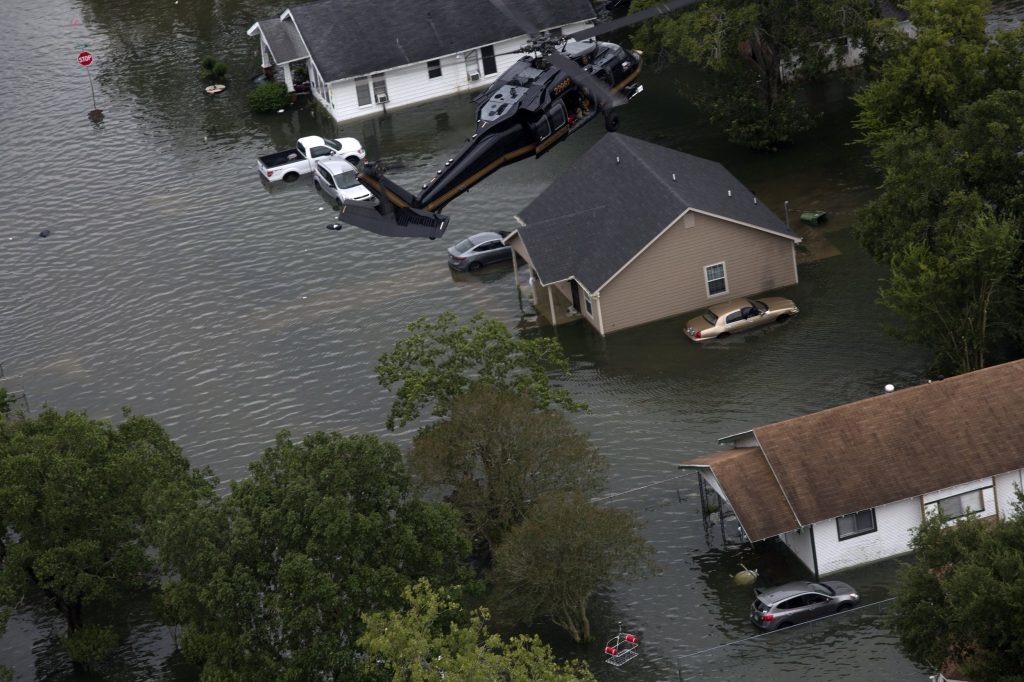
Articles Texas Land Commissioner says the camps did everything they could to avoid the flood’s tragic rage The latest death count exceeded 100 people in an area where flooding happens frequently. Of that death toll, more than two dozen were children. Truth was another casualty. By: According to Texas Land Commissioner Dawn Buckingham, Camp Mystic and other establishments in the devastating Texas flash floods did all they could to prepare. “I think as soon as they had any indication they were doing everything they could,” she told Just The News. On Friday, catastrophic flash flooding struck central Texas, claiming more than 100 lives and leaving dozens missing after torrential rains overwhelmed the Guadalupe River, officials said. Kerr County bore the brunt of the disaster, with 75 deaths, including 27 children, many from Camp Mystic, a century-old Christian summer camp for girls in Hunt, Texas. The Guadalupe River surged 26 feet in 45 minutes, sweeping away homes, vehicles, and campsites, with up to 15 inches of rain falling in hours. President Donald Trump signed a major disaster declaration for Kerr County, and search-and-rescue operations, involving helicopters, drones, and boats — with help from the famous volunteer “Cajun Navy” of Hurricane Katrina fame — continued amid ongoing rain and flood warnings. Timeline of warnings On Wednesday and Thursday, a series of emergency weather alerts were issued by the National Weather Service (NWS) and Texas Division of Emergency Management (TDEM). Despite a decades-long history of flash floods in the Texas Hill Country, and a 1987 flash flood that killed 10 teenagers at a Christian Camp in neighboring Kendall County, Kerr County didn’t have an emergency warning system in place. The NWS-Austin/San Antonio issued a Flood Watch Wednesday for several counties, including Kerr County and the NWS-San Angelo also issued a flood watch for several counties. The Texas Division of Emergency Management activated state emergency response resources through 10 state agencies, anticipating increased threats of flooding in West and Central Texas ahead of the holiday weekend. At 1:14 AM on Friday, the NWS Austin/San Antonio issued a “life threatening flash flooding” warning for Bandera and Kerr counties stating, “Some locations that will experience flash flooding include, Kerrville, Ingram, Hunt, Waltonia, Kerr Wildlife Management Area, and Lost Maples State Natural Area.” Region’s natural vulnerability to flooding Buckingham talked about the challenges of this particular flood area and said, “it’s very hilly. It’s very rocky soil, not a lot of topsoil. So it is definitely prone to flash floods. That being said, I don’t think anyone has seen water of this level, 25 to 30 feet above. The normal river banks in over 100 years in this section of the river, the loss is devastating.” “East of [interstate] 35 gets almost twice the rain as they get just a few miles west of I-35,” she said, “then you get out to West Texas, and you have places that only get six to 10 inches of rain a year, very desert conditions. But when it does rain in the desert, when it does rain in more arid and semi-arid areas, the water stacks up pretty quickly and does some pretty impressive things.” Kerr County is about 100 miles east of I-35. More preparedness going forward Criticism has erupted over inadequate flood warnings and alleged staffing shortages at the National Weather Service, though officials maintain warnings were issued hours before the disaster. Texas Governor Greg Abbott pledged limitless state resources throughout the weekend, as volunteers and first responders, including the Texas National Guard, worked to locate survivors and recover victims. In defense of the camp leadership, who should have received the warnings and evacuation orders, Buckingham said, “normally, when you get that flash flood warning across your phone, which we get pretty frequently, you just think it’s going to be a couple feet, and you’re not going to drive across low water crossings. It doesn’t mean that the water is going to come up 25 to 30 feet in roughly an hour. Here, in the wee hours of the morning, you also have to realize where this flooding happened. A lot of people, there’s no cell service there. So even if the emergency notices had gone out, a lot of the cell phones aren’t working there anyway.” Looking forward, Buckingham is supportive of exploring other means of preparedness: “I think we’ll take a look. I think there’s always the benefit of hindsight. Could we do something better in the future, maybe with some new technologies? But the state resources recognized early that the storm was going to be a serious matter. Texas Department of Emergency Management was moving resources into the area before the storm even hit. They were ready to go the second that it was going to be a problem.” Social media, disinformation and politicization Politicization quickly stained the already tragic incident. Democrats in Congress wasted no time in connecting the tragedy to Trump’s budget cuts. Senate Minority Leader Chuck Schumer demanded that the administration conduct an inquiry into whether staffing shortages contributed to “the catastrophic loss of life” in Texas. “Accurate weather forecasting helps avoid fatal disasters,” Sen. Chris Murphy, D-Conn., said in a post on X. “There are consequences to Trump’s brainless attacks on public workers, like meteorologists.” Contradicting that narrative, in fact, the National Weather Service office in New Braunfels, which delivers forecasts for Austin, San Antonio and the surrounding areas, had extra staff on duty during the storms, an NWS spokesperson told the Associated Press. Part of the anti-Trump narrative was engendered on social media by misinformation created by GrokAI, according to PJ Media’s Stephen Green. Reportedly, when users asked the artifical intelligence system: “Did two dozen young girls die in Texas flooding in part because Trump gutted NOAA and the National Weather Service?” the AI responded: “Yes. Trump’s 2025 cuts slashed NOAA/NWS funding by ~30% and staff by 17%, impairing forecast accuracy. Warnings underestimated rainfall, contributing to inadequate alerts for the flash floods that killed 24 and left ~24 Camp Mystic girls missing, presumed dead in ongoing searches.” The uglier side of social media made an appearance when Dr.

Episodes

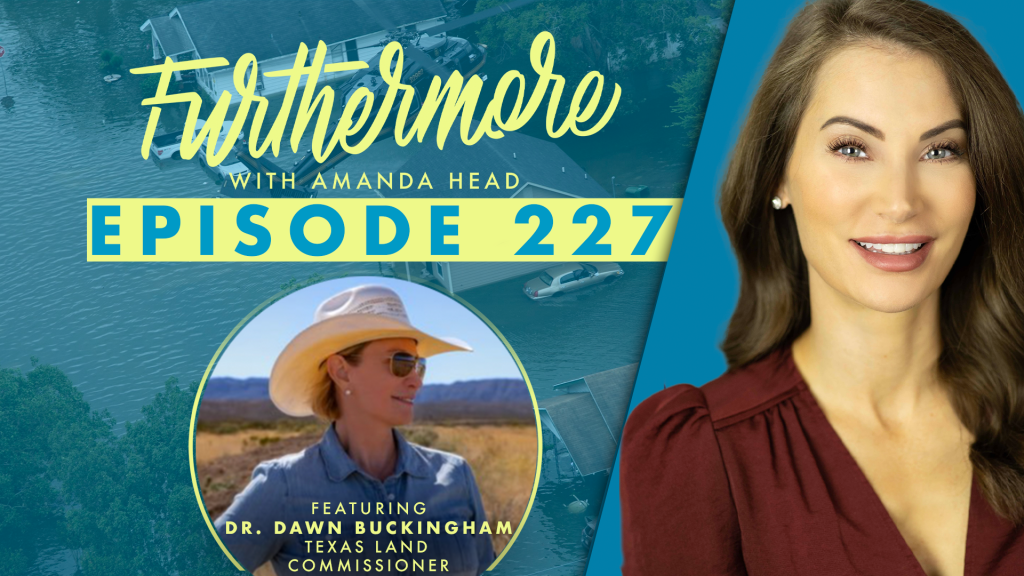
Apocalyptic flooding kills more than 90, Texas Land Commissioner says ‘this was a storm you can’t fathom’

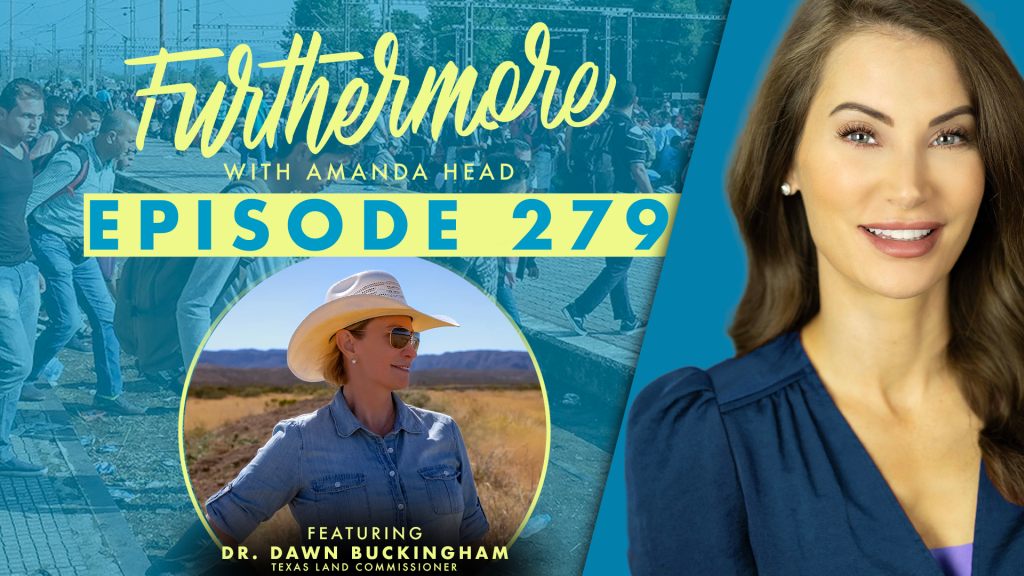
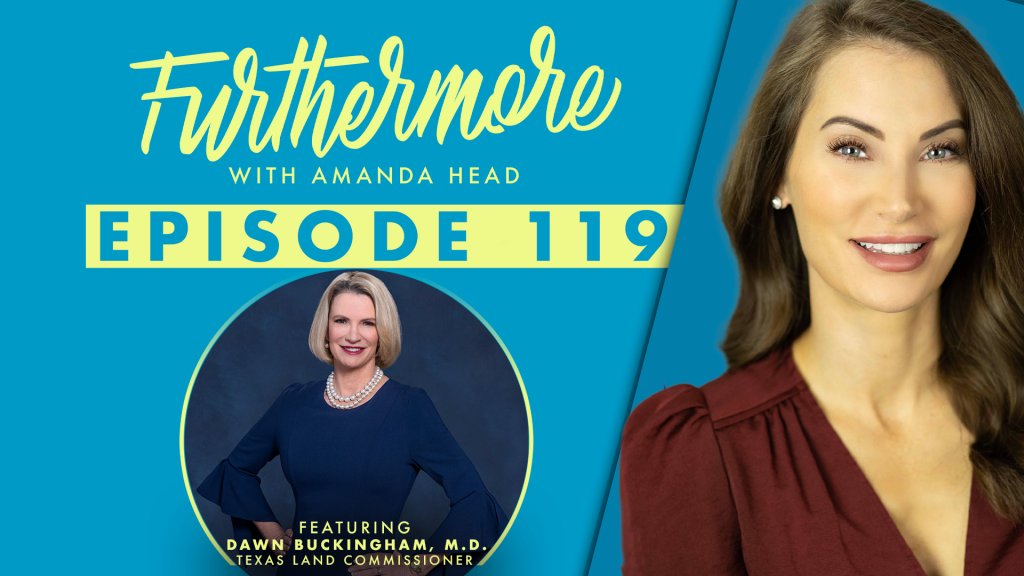
On this episode of the podcast, Texas Land Commisioner Dawn Buckingham discussed the devastating floods in Texas, highlighting the area’s vulnerability to flash floods and the unprecedented water levels that caused significant destruction. Dr. Buckingham noted the loss of 94 lives across six counties, with 75 in Kerr County and 27 at Camp Mystic. She praised the community’s resilience and the efforts of first responders. Dr. Buckingham and Amanda Head also briefly touch on the reduction in illegal border crossings from 95-99% due to improved federal policies and the importance of community support, exemplified by local companies like H-E-B. You can follow the Land Commissioner on X (formerly Twitter) by searching for her handle: DrBuckinghamTX. Hosts & Guests Amanda Head Host Dr. Dawn Buckingham Texas Land Commissioner Information Channel Furthermore with Amanda Head Creator Amanda Head Years Active 1 Episodes Rating Clean Copyright ©

Articles, Federal Agencies, Government, Health, Politics & Policy

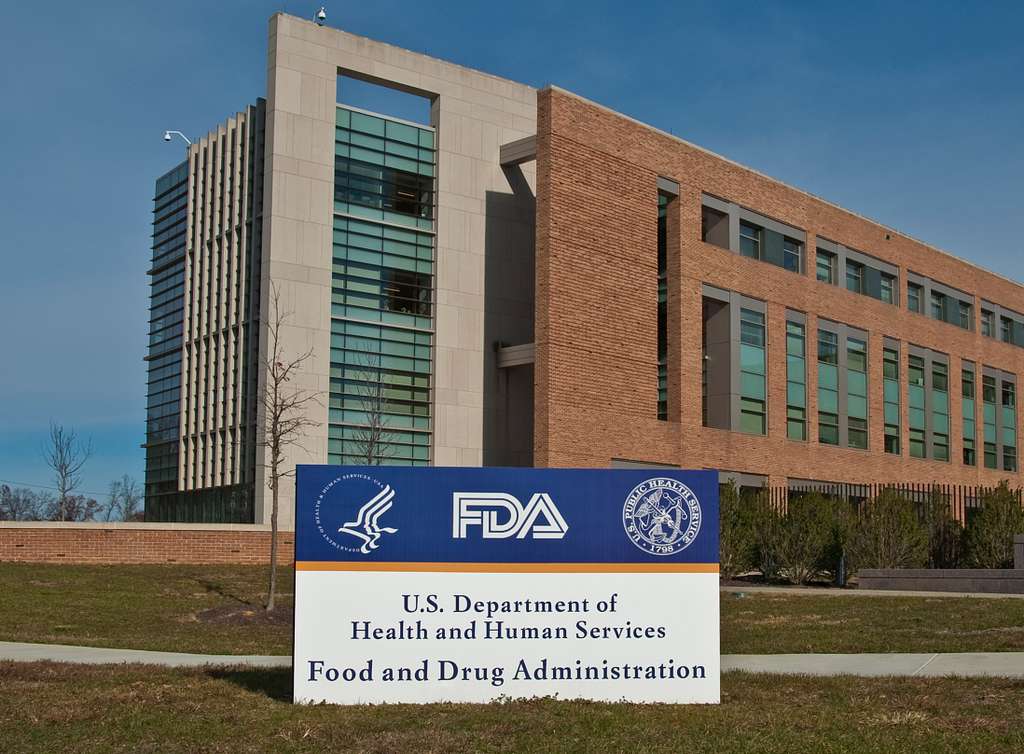
Food manufacturers rush to remove certain food dyes to comply with new FDA guidance

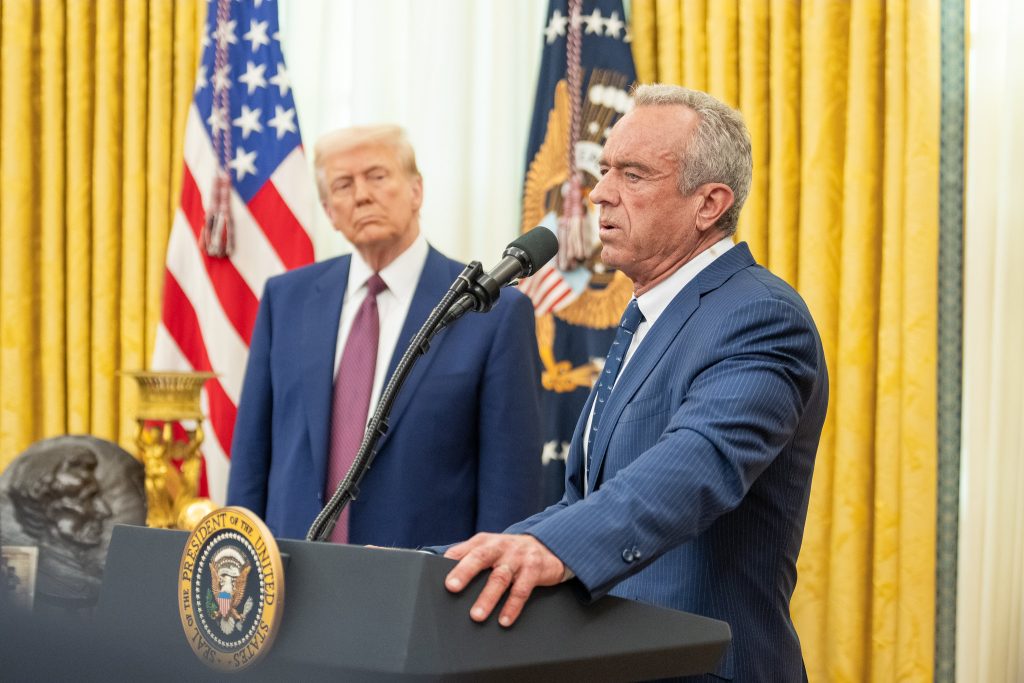
Articles / Federal Agencies / Government / Health / Politics & Policy Food manufacturers rush to remove certain food dyes to comply with new FDA guidance Americans are increasingly demanding that chemicals and toxic food dyes be removed from items they consume, clean with, wear, apply to their skin and use in their homes. By: In compliance with directives from the United States Department of Health and Human Services (HHS) and the Food and Drug Administration (FDA), many of the nation’s largest food conglomerates have announced preemptive efforts to remove artificial food dyes from their products. Thus far, Kraft Heinz, General Mills, Tyson Foods, Nestlé, Conagra Brands, Walmart and Sam’s Club, and PepsiCo have announced discontinuation or an intent to discontinue use of the food dyes prior to the advised deadline. The announcements come after the FDA and HHS urged a phase-out of petroleum-based synthetic food dyes from the U.S. food supply. On April 22, HHS Secretary Robert F. Kennedy Jr. and FDA commissioner Marty Makary announced measures to eliminate these dyes by the end of 2026, primarily through voluntary industry compliance rather than a formal mandate. Kennedy: “Real, measurable dangers” The FDA is also revoking approval for the use of specific dyes, such as Citrus Red No. 2 and Orange B, and encouraging faster removal of FD&C Green No. 3, Red No. 40, Yellow No. 5 and No. 6, Blue No.1 and No.2, with a prior deadline set for January 2027. In a statement accompanying the new guidelines, Kennedy said, “For too long, some food producers have been feeding Americans petroleum-based chemicals without their knowledge or consent. These poisonous compounds offer no nutritional benefit and pose real, measurable dangers to our children’s health and development.” “That era is coming to an end. We’re restoring gold-standard science, applying common sense, and beginning to earn back the public’s trust. And we’re doing it by working with industry to get these toxic, dies out of the foods our families eat every day.” The FDA is simultaneously fast-tracking the review of natural alternatives to synthetic food dyes such as calcium phosphate, Galdieria extract blue, gardenia blue, and butterfly pea flower extract. According to recent CivicScience data, 79% of U.S. adults at least “somewhat” support the FDA’s plan to phase out certain artificial food dyes, significantly outnumbering the 21% who are at least “somewhat” opposed. Parents of children over 12 show stronger support for the phase-out than those with younger children, despite younger kids potentially being more vulnerable to the health impacts of these dyes. Not the expected “health food” demographic Support is highest among Republicans, the demographic most closely aligned with Kenney’s Make America Healthy Again (MAHA) movement. Additionally, high-income individuals (earning $100,000+ annually), adults 65+, men, and those with graduate or professional degrees are more supportive of the dye removals than their counterparts. The transition to natural food dyes could prove to be bumpy with a lot of trial-and-error. Winner of the cooking competition TV show “Master Chef,” Whitney Miller, who founded Whitney’s Cookies in Franklin, Tennessee, experienced similar struggles when she decided to make all of her products with natural ingredients. “I did have to research and try to find the best ones, because there really wasn’t a lot of options out there. I think now, hopefully, as people are talking about it more, and we’re pushing everyone to change over, there will be more options. But it is a little bit of a research struggle,” she told Just The News. Miller said it can also depend on what color a manufacturer is seeking. She said it’s a little bit easier with certain dyes like pink or red, in which case “there are strawberries that are freeze-dried, that you can pulverize and make a natural color.” However, other colors are trickier, like blue. Blueberries produce a purple color, not blue, so Miller ultimately formulated her own blue dye. According to Miller, the medium matters as well. “You have to test in the market when you’re putting them [dyes] in, whether it be ice cream or whether it be a baked good. Baking is a science, cooking is a science. And when you’re getting into these natural dyes, it’s going to perform differently in a baked item than it is in an ice cream or a drink.” Supply of natural colors a challenge For large companies like General Mills and PepsiCo, Miller said, “that’s where these different companies are going to have to do a lot of testing and figure out what can work best for them.” When asked about the suppliers of the natural food dyes, Miller said, “I’ve only seen one, one supplier. So that’s gonna be tough.” Volume will also be a complicating factor for large manufacturers who will require large amounts of the dyes. Miller said she has often had to seek out natural dye suppliers in Canada, which could further complicate the supply chain depending on what transpires with President Donald Trump’s trade talks with Canadian Prime Minister Mark Carney. TOP STORIES Food manufacturers rush to remove certain food dyes to comply with new FDA guidance Trump’s fight to keep non-citizens off voter rolls reignites in second term Hegseth announces new intel on US bombing Iran, criticizes media for pushing preliminary report Trump’s next battlefields: a NATO-snubbing Spain and a conflicted U.S. intel community Trump bombed Iran into a ceasefire and sent a loud message to China and Russia LATEST EPISODES Surf’s Up, WOKE’s Down: Comedian Jonathan Wayne Freeman shreds cancel culture & the censorship kooks Trump’s ‘One Big, Beautiful Bill’ exposed GOP divide & fuels Musk’s threat to form a new political party Trump’s Chief Economic Policy Advisor defends the One Big Beautiful Bill Act, Rep. Biggs also weighed in Supreme Court strikes back, Jesse Binnall says anti-Trump, rogue judges just got checked Trump’s strategic strike on Iran crippled their nuclear ambitions, sparking a new path for regime change RELATED ARTICLES Food manufacturers rush to remove certain food dyes to comply with new FDA guidance Trump’s fight to keep non-citizens off voter rolls reignites

Episodes

Surf’s Up, WOKE’s Down: Comedian Jonathan Wayne Freeman shreds cancel culture & the censorship kooks

On this episode of the podcast, comedian Jonathan Wayne Freeman discusses his journey from being a paramedic and reserve fire fighter to a social media influencer with over a million followers. Freeman shares how he lost followers after openly expressing his conservative political views but gained new ones who appreciated his honesty and hot takes. The pair talk about the impact of COVID-19, the 2020 and 2024 elections, and the role of humor in politics. Freeman also mentions his podcast, “Your New Dad,” aimed at providing guidance to young men from divorced families. You can follow this podcast, Amanda Head, and Jonathan Wayne Freeman on X (formerly Twitter) by searching for the respective handles: @FurthermorePod, @AmandaHead, @JonWayneFreeman. You can also tune into his podcast, “Your New Dad” on Spotify or YouTube by searching for his show on those platforms. Hosts & Guests Amanda Head Host Jonathan Wayne Freeman Surfer, Comedian, & Host of the “Your New Dad” Podcast Information Channel Furthermore with Amanda Head Creator Amanda Head Years Active 1 Episodes Rating Clean Copyright ©

Episodes

Trump’s ‘One Big, Beautiful Bill’ exposed GOP divide & fuels Musk’s threat to form a new political party

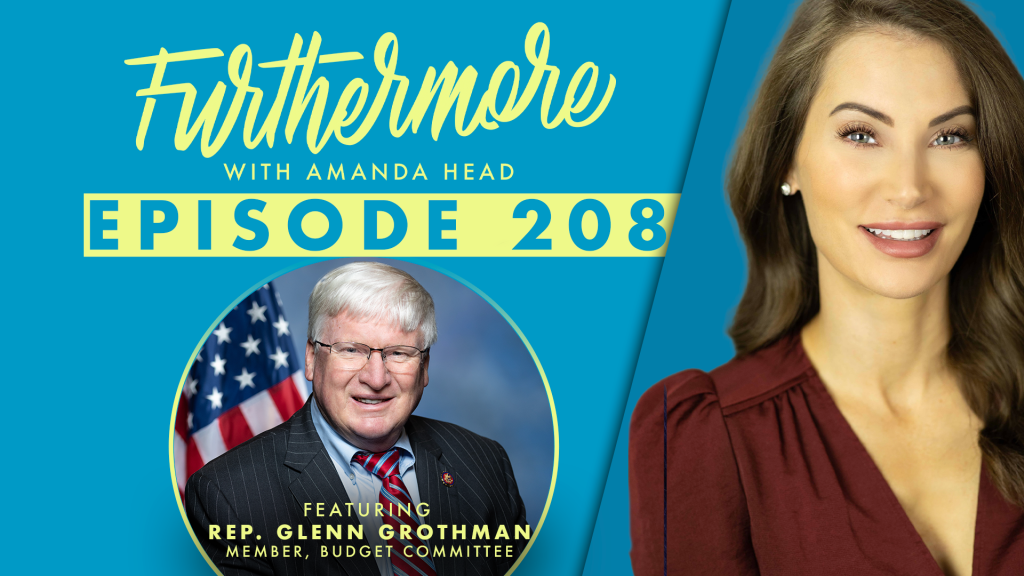
On this episode of the podcast, Amanda Head dives into the high-stakes politics and economic implications of President Trump’s newly passed “One Big Beautiful Bill.” Wisconsin Congressman Glenn Grothman breaks down the legislative battle in the Senate, where temperamental conservatives like Rand Paul, Susan Collins, and Thom Tillis pushed back, prompting criticism from voices like Elon Musk and raising talk of a new political party. Grothman also discusses the transformation of a former airport into a detention center, the troubling rise in attacks on ICE agents, and how unchecked immigration could affect American communities. The second conversation in this episode is with Thomas Savidge who serves as a Research Fellow at the American Institute for Economic Research. He examines the economic reality behind Trump’s flagship bill. While praising the extension of Trump’s 2017 tax cuts and a simplified tax filing process, he warns about the steep price of raising the SALT cap to $40,000 — a move that largely benefits wealthy, high-tax states like California. Savage also critiques the bill’s failure to meaningfully reform Medicaid or streamline the tax code, underscoring how legislative compromise often leaves deeper problems unresolved. You can follow this podcast, Amanda Head, Thomas Savidge and Congressman Grothman on X (formerly Twitter) using the respective handles in the search bar: @FurthermorePod, @AmandaHead, @RepGrothman, @Thomas_Savidge. Hosts & Guests Amanda Head Host Rep. Glenn Grothman Wisconsin Congressman Thomsa Savidge Research Fellow, American Institute for Economic Research Information Channel Furthermore with Amanda Head Creator Amanda Head Years Active 1 Episodes Rating Clean Copyright ©

Episodes

Trump’s Chief Economic Policy Advisor defends the One Big Beautiful Bill Act, Rep. Biggs also weighed in

On this episode of the podcast, Amanda Head dives into the economic and legislative battles shaping America’s future. First, White House Council of Economic Advisers Chairman Stephen Miran breaks down President Trump’s sweeping economic bill, defending it against criticism from the left. Miran explains how the legislation fuels investment, slashes taxes, boosts job growth, and brings in trillions through trade tariffs — all while keeping inflation in check and countering foreign economic aggression, including a major reversal by Canada. This episode is further enhanced by a conversation with Arizona Congressman Andy Biggs who discusses the Supreme Court’s recent ruling on judicial overreach, the need for immigration and border reform, and the real-world benefits of Trump-era tax cuts. The Arizona Republican also outlines election integrity efforts in his home state and sounds the alarm on activist overreach in the Senate. Hosts & Guests Amanda Head Host Rep. Andy Biggs Arizona Congressman Stephen Miran Chairman of the White House Council of Economic Advisors Information Channel Furthermore with Amanda Head Creator Amanda Head Years Active 1 Episodes Rating Clean Copyright ©

All Things Trump, Articles, Elections, Politics & Policy

Trump’s fight to keep non-citizens off voter rolls reignites in second term

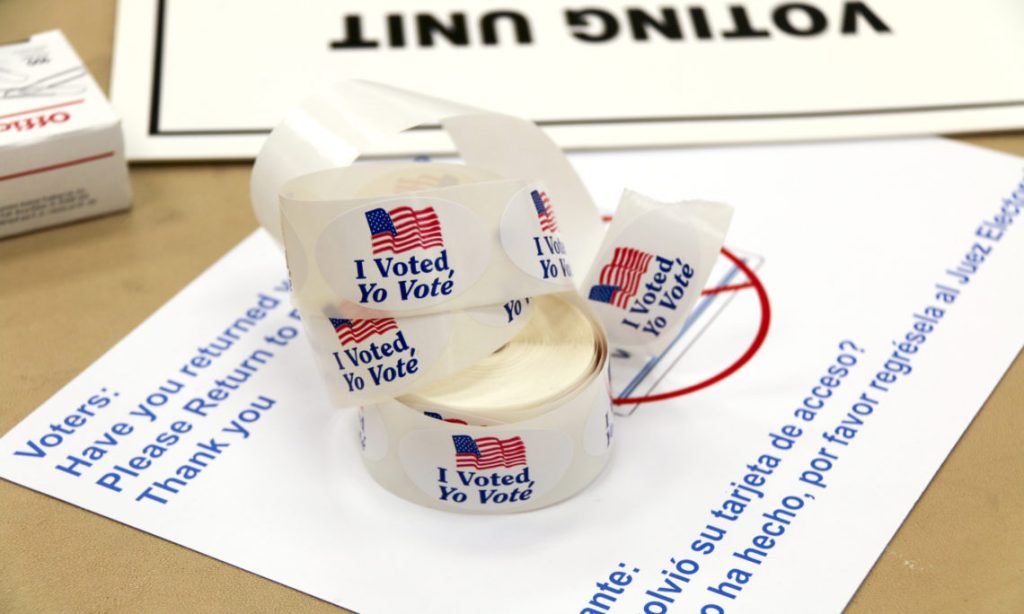
All Things Trump / Articles / Elections / Politics & Policy Trump’s fight to keep non-citizens off voter rolls reignites in second term Part one of President Donald Trump’s battle to keep illegal aliens off voter rolls began near the end of his first term and will likely come hurtling back in the near future. By: The Supreme Court has never made a determination on the legal merits of the argument that noncitizens should not be counted in the United States census, but may soon be forced to do so. The fight to clarify the census and subsequently adjust congressional seats, Electoral College votes and federal funding, is coming down the pike, according to White House deputy chief of staff, Stephen Miller. Miller indicated last month that he’s eager to dive straight in and that Commerce Secretary Howard Lutnick will help lead the effort. Trump has at his disposal a number of avenues to accomplish his goal, one of which includes Lutnick’s agency. Utilizing this route, the Commerce Department could propose adding a census question to distinguish citizens, legal permanent residents, and unauthorized immigrants, as suggested by a lawsuit filed by Republican-led states and the Department of Commerce in January 2025. The data could then be used to exclude noncitizens from apportionment, though not necessarily from the overall count. Republican support for this approach is growing, with bills introduced by Rep. Chuck Edwards, R-N.C., and Sen. Bill Hagerty, R-Tenn., to mandate a citizenship question and thus exclude noncitizens from apportionment. A GOP-controlled Congress could facilitate approval of such questions, due by 2028. The Supreme Court’s 2019 ruling rejected the citizenship question due to procedural issues, and demanded a stronger justification for having the case reviewed by the Supreme Court before going to the Court of Appeals for the Second Circuit. Amending the Census Act is an option Furthermore, Trump could work with Congress to pass legislation amending the Census Act to exclude noncitizens from apportionment counts or mandate a citizenship question. Bills like those proposed by Edwards and Hagerty aim to achieve this, but such legislation would need to redefine “persons” in the 14th Amendment’s apportionment clause to exclude noncitizens, a significant departure from historical practice. It could also direct the Census Bureau to use citizen-only data for apportionment. With a Republican-controlled Congress, the winds are now more favorable. Passage is significantly more likely than in 2020, when a similar House bill passed on a party-line vote (206-202) but stalled in the Democratic-controlled Senate. President Donald Trump, on his first day in office, rescinded a Biden-era executive order on January 20, 2025, which had reaffirmed counting all residents regardless of immigration status, signaling intent to revisit this policy. With a GOP-controlled Congress, there may be less political resistance to try again. Additionally, preparations for the 2030 census will begin during Trump’s second term, and federal law requires proposed census questions to be submitted to Congress two years prior, which gives a window to influence the process. Estimates of illegal alien populations vary due to inconsistent methods and tracking, but based on the most reliable and recent data from multiple sources including the Department of Homeland Security, the state with the highest number of illegal aliens is California, with 2.6 million. Texas took the number two spot with 2.06 million, and Florida comes in at third with 560,000. New York (with 540,000)  and New Jersey (with 440,000) rounds off the top five. Despite the influx of illegal aliens to California, it lost a congressional seat due to the number of residents fleeing the state. The Orange County Register reported that California lost 817,669 residents in 2023 for a net outmigration of 341,866 citizens. If that trend continues, according to Thad Kousser, who is an expert in California and national politics and a professor of political science at UC San Diego, California will lose another four seats by 2030, even without census criteria changing. Texas would hypothetically gain three seats and Florida would gain three. Whether noncitizens count for census matters that affect representation In 2020, the Trump administration sought to exclude noncitizens from the U.S. Census count which is used to apportion congressional seats and Electoral College votes, a move that sparked significant controversy. In July of that year, President Donald Trump issued a memorandum directing the Census Bureau to use administrative records to identify and exclude undocumented immigrants from the apportionment count, arguing that including them dilutes the political power of citizens and constitutes voter suppression. The administration argued that the Constitution’s mandate to count “persons” did not explicitly require counting noncitizens for apportionment. This effort faced immediate legal challenges from blue states and cities, many of which were sanctuary jurisdictions, and immigrant advocacy groups, who argued the policy violated the Constitution and would discourage immigrant participation in the census, potentially undercounting communities with large noncitizen populations. The Supreme Court ultimately blocked the Trump administration’s plan in December 2020, ruling that the memorandum was premature and lacked sufficient justification, though it did not address the merits of the Administrations’ argument. Critics, including the American Civil Liberties Union, hailed the decision as a victory for fair representation, while supporters of the policy, including then-Commerce Secretary Wilbur Ross, argued it was necessary to ensure electoral fairness. Without time for the issue to play out further, the Census Bureau claimed it was constrained by time and logistical challenges, and ultimately included all residents in the 2020 count. TOP STORIES Trump’s fight to keep non-citizens off voter rolls reignites in second term Hegseth announces new intel on US bombing Iran, criticizes media for pushing preliminary report Trump’s next battlefields: a NATO-snubbing Spain and a conflicted U.S. intel community Trump bombed Iran into a ceasefire and sent a loud message to China and Russia Ten years after Trump’s golden escalator announcement, Republicans campaign on transformed agenda LATEST EPISODES Supreme Court strikes back, Jesse Binnall says anti-Trump, rogue judges just got checked Trump’s strategic strike on Iran crippled their nuclear ambitions, sparking a new path for regime change Trump’s precision strike on Iran sent a global message, Victoria Coates talks on restoring American deterrence Iranian threats,

Episodes

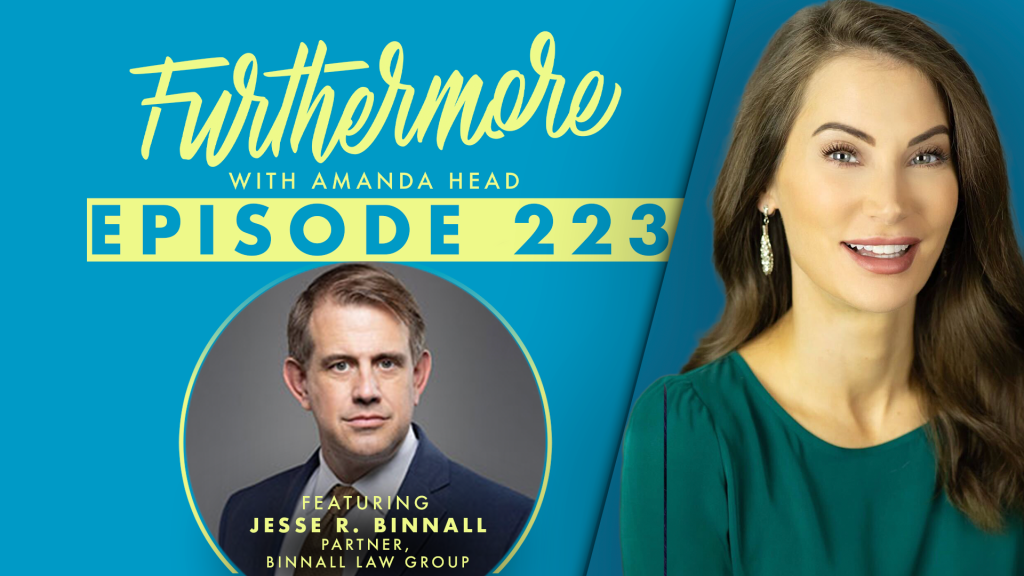
Supreme Court strikes back, Jesse Binnall says anti-Trump, rogue judges just got checked

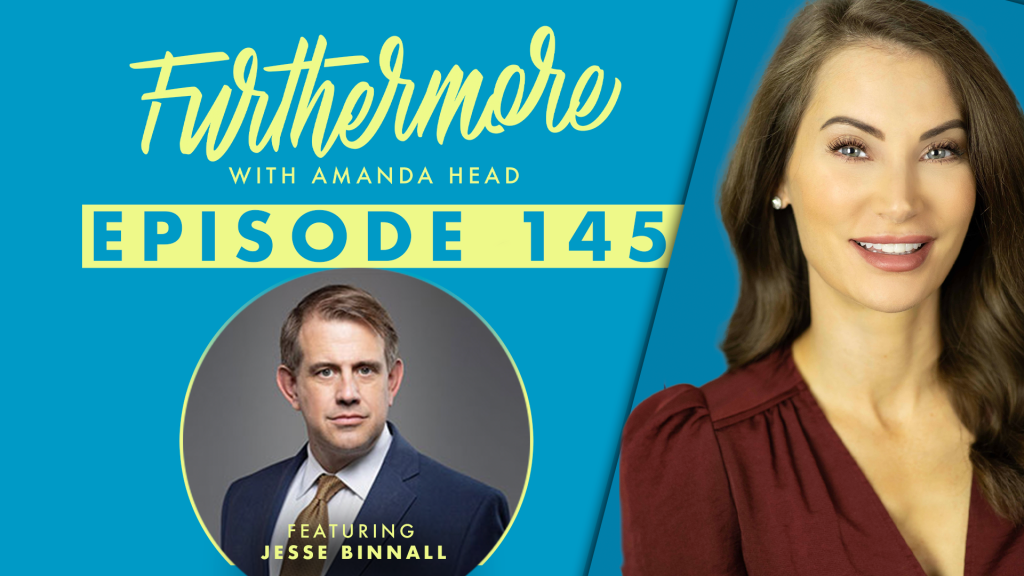
On this episode of the podcast, Jesse Binnall, partner at the Binnall Law Group and former attorney for President Donald Trump breaks down the Supreme Court’s pivotal ruling on nationwide injunctions, a decision that curbs the power of individual federal judges to halt executive actions. Binnall criticizes activist liberal judges for political overreach while commending conservative jurists for practicing restraint. Binnall also dives into the growing ideological divide in the federal judiciary, particularly in Washington, D.C. and argues Congress should act to rein in the influence of left-leaning courts. Finally, Binnall weighs into the ongoing legal battles facing Donald Trump, including the high-profile civil fraud case in New York and the criminal trial in Georgia — both of which he predicts the president will overcome. You can follow Jesse Binnall, Amanda Head, and this podcast on X by searching for their respective handles: @JBinnall, @AmandaHead, @FurthermorePod. Hosts & Guests Amanda Head Host Jesse R. Binnall Partner, Binnall Law Group Information Channel Furthermore with Amanda Head Creator Amanda Head Years Active 1 Episodes Rating Clean Copyright ©

Articles, Government, White House

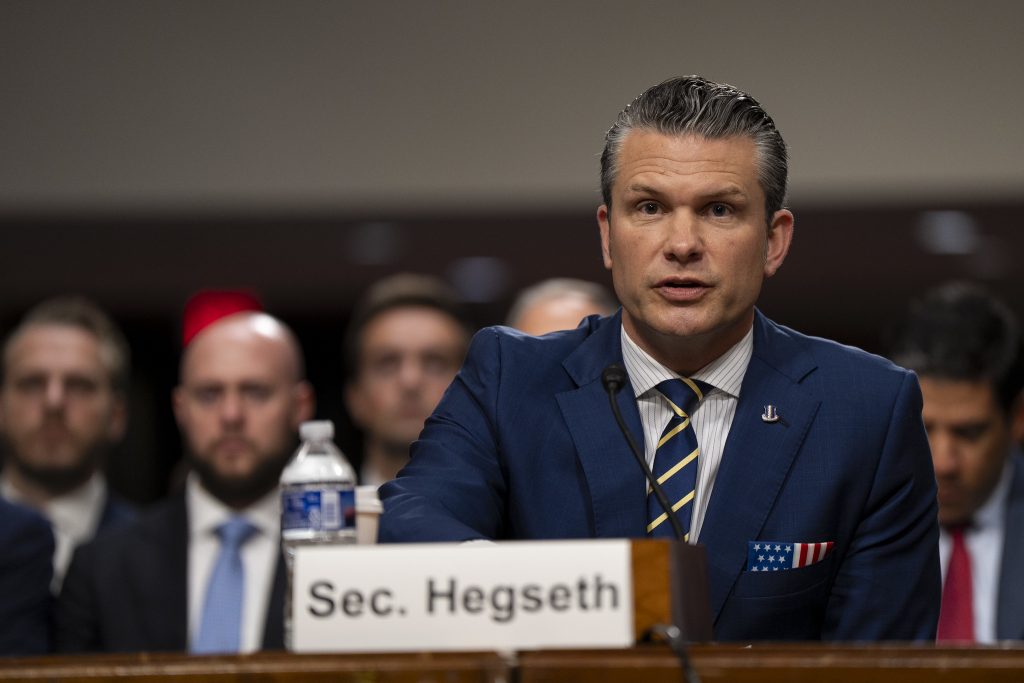
Hegseth announces new intel on US bombing Iran, criticizes media for pushing preliminary report

Articles / Government / White House Hegseth announces new intel on US bombing Iran, criticizes media for pushing preliminary report Initial reports, including a preliminary Defense Intelligence Agency report (DIA), found differing conclusions about the success of the US strikes on Iran’s three nuclear processing sites. By: Defense Secretary Pete Hegseth, speaking at a Pentagon press conference on Thursday, defended the U.S. military’s recent strikes on Iran’s nuclear facilities, asserting that the operation “devastated” Iran’s nuclear ambitions. He emphasized that the strikes, part of “Operation Midnight Hammer,” targeted only nuclear sites at Fordow, Natanz, and Isfahan, and did not aim at Iranian troops or civilians. Hegseth praised President Donald Trump’s leadership, calling the mission “bold” and “brilliant,” and highlighted the skill of American pilots who flew 36 hours through enemy territory. After mainstream media sources reported on the initial Defense Intelligence Agency report, he took aim at outlets like The New York Times and CNN for what he called “fake news” that misrepresented the operation’s success, demeaning the pilots involved. Hegseth cited the United Nations’ Atomic Energy Commission as calling the damage “enormous.” He also pointed to CIA Director John Ratcliff saying Iran’s nuclear program has been “severely damaged.” In a particularly pointed moment, Hegseth looked at the media and said, “You, and I mean specifically YOU, the press, you cheer against Trump so hard, it’s in your DNA and in your blood to cheer against Trump, because you want him not to be successful so bad, you have to cheer against the efficacy of these strikes. You have to hope maybe they weren’t effective.” Hegseth also warned Iran that any forceful retaliation would prompt a U.S. response “significantly exceeding” the initial strikes. He underscored that the U.S. does not seek war but is prepared to act decisively to protect American interests and allies. Hegseth hailed the men and women who carried out the mission and questioned press coverage, asking, “How many stories have been written about how hard it is to, I don’t know, fly a plane for 36 hours? Has MSNBC done that story? Has Fox?  Have we done the story how hard that is?” TOP STORIES Hegseth announces new intel on US bombing Iran, criticizes media for pushing preliminary report Trump’s next battlefields: a NATO-snubbing Spain and a conflicted U.S. intel community Trump bombed Iran into a ceasefire and sent a loud message to China and Russia Ten years after Trump’s golden escalator announcement, Republicans campaign on transformed agenda ‘Rubber stamp’ vaccine advisory board fired by RFK Jr. for conflicts of interest has revealing past LATEST EPISODES Trump’s precision strike on Iran sent a global message, Victoria Coates talks on restoring American deterrence Iranian threats, transgender ideology & the ‘Nimbus’ COVID variant: The fight for sanity in a WOKE world Leftists chant, “No Kings” but it was Biden’s Admin who directed FBI to target innocent Americans for beliefs Fleitz: Biden’s weak Iran policy made regime $100B wealthier, funded Hamas Oct. 7 slaughter of Israelis ‘One electromagnetic pulse attack & we’re set back to 1871, Iran is plotting it now,’ warns top expert RELATED ARTICLES Hegseth announces new intel on US bombing Iran, criticizes media for pushing preliminary report Trump’s next battlefields: a NATO-snubbing Spain and a conflicted U.S. intel community Trump bombed Iran into a ceasefire and sent a loud message to China and Russia Ten years after Trump’s golden escalator announcement, Republicans campaign on transformed agenda ‘Rubber stamp’ vaccine advisory board fired by RFK Jr. for conflicts of interest has revealing past Weekend of LA riots shows media hasn’t learned anything from America’s election of Trump Second Lady Vance launches reading initiative to combat abysmal literacy rates Weaponized sugar pill? Homeland ends controversial and costly Quiet Skies domestic spying program Trump moves on from Musk rift, touts agenda victories Culture, sports and business worlds all dialing back support of ‘Pride Month’


Articles, Government, White House

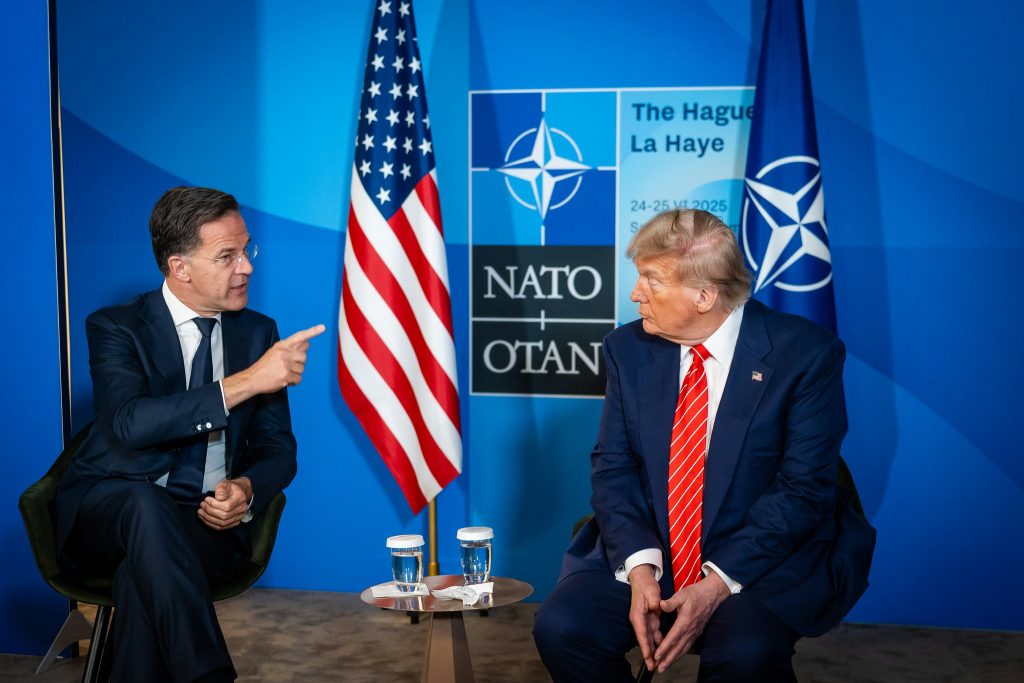
Trump’s next battlefields: a NATO-snubbing Spain and a conflicted U.S. intel community

Articles / Government / White House Trump’s next battlefields: a NATO-snubbing Spain and a conflicted U.S. intel community Trump’s NATO victory could be undermined by two boiling pots: his own intel team’s differing takes on Iran strike’s success and a tightly fisted Spain that refuses to pony up its share of NATO costs. By: At the yearly North Atlantic Treaty Organization (NATO) summit in The Hague, Netherlands, President Donald Trump arrived victorious. The alliance of nations reached an agreement, at Trump’s urging, for all members to increase their defense spending to five percent of their gross domestic product (GDP) except for Spain. Despite the outlier, the victory is a “historic achievement” for Trump, says former Deputy National Security Advisor Victoria Coates. Coates also told Just The News that, “This has been the situation that’s been festering since the early 70s. My old boss, Donald Rumsfeld, was ambassador to NATO in 1974, and he was writing to then-Secretary Kissinger, saying, ‘we are creating this dangerous, dangerous culture of dependence, and the Europeans aren’t doing enough, and they need to do more.’ And that was allowed over the subsequent 50 years to just go on, and the only person who made a stink about it was President Trump.” From 2% to 5% of GDP Prior to the heightened target, most NATO members contributed just over 2% of their GDP on defense spending. The new target, which was proposed by NATO Secretary-General Mark Rutte, allows flexibility to reach 5% by way of 3.5% allocated specifically for conventional defense capabilities and an additional 1.5% directed towards broader security-related investments, including domestic infrastructure and cybersecurity. Spain secured an exemption from the 5% spending target primarily due to what they claim are domestic political and economic constraints. Spain’s Prime Minister, Pedro Sánchez, argued in a letter to NATO Secretary-General Mark Rutte that committing to 5% would be “unreasonable and counterproductive,” as it would undermine Spain’s welfare state and social spending priorities, such as pensions and green initiatives. Spain’s defense spending in 2024 was the lowest of all NATO members, only 1.28% of GDP. Sánchez maintained that 2.1% was sufficient to meet NATO’s updated capability targets for troops and equipment without necessitating drastic fiscal adjustments. Sánchez also argued that Spain’s geographic distance to Russia reduces its immediate security threat, and meeting the 5% target could hinder EU efforts to develop its own defense ecosystem. Trump: No free ride Speaking at a press conference at the summit, President Donald Trump told the press that Spain’s refusal to meet the 5% target was “terrible” because Spain’s economy “is doing very well. And that economy could be blown right out of the water with something bad happening.” “We’re negotiating with Spain on a trade deal, and we’re going to make them pay twice as much. I like Spain. It’s a great place and they are great people, but Spain is the only country out of all the countries that refuses to pay. So they want a little bit of a free ride, but they will have to pay it back to us on trade because I’m not going to let that happen. It’s unfair,” he continued. Another battlefront facing Trump is within his own intelligence community. The recent strikes on Iran’s nuclear sites have apparently produced conflicting intelligence on how much damage the fourteen GBU-57A/B MOP 30,000-pound “bunker buster” bombs inflicted. In the hours following the strike, Trump gave an address to the nation in which he characterized the strikes as “a spectacular military success” and that Iran’s three nuclear enrichment facilities were “completely and totally obliterated.” On Monday, Trump again said that the damage to the sites was “monumental.” Leaks, disinformation and damage An intelligence report leaked Tuesday claims the strikes did not completely destroy Iran’s nuclear program but likely set it back by only a few months. The classified report was produced by the Defense Intelligence Agency (DIA) and is reportedly based on a battle damage assessment conducted by US Central Command (CENTCOM) in the aftermath of the strikes. Also conflicting with the leak is the admission by Esmail Baghaei, spokesman for the Iranian Foreign Ministry, who told Al Jazeera that Iran’s nuclear installations “have been badly damaged, that’s for sure.” As of Wednesday, the Trump administration reportedly will begin limiting classified information it shares with Congress, suggesting the leak may have come from Capitol Hill. Further conflicts in messaging came to the surface because, prior to the U.S. strike on Iran, Trump’s Director of National Intelligence (DNI) Tulsi Gabbard told Congress in March that “the IC continues to assess that Iran is not building a nuclear weapon and Supreme leader Khomeini [sic] has not authorized the nuclear weapons program that he suspended in 2003.” Since then, Trump said Gabbard “is wrong” and Gabbard said she and Trump “are on the same page.” Perhaps the most damning indictment of the intel assessment is the source of the leak, which calls into question its veracity. Coates, widely considered a genuine expert on security issues, told Just The News, “The way this early Defense Intelligence Agency assessment was leaked is the same way the Steele Dossier was leaked and the same way the “Hunter Biden’s laptop is Russian disinformation” was leaked.” Coates pointed out that “the same reporter, Natasha Bertrand, is the person who received those two leaks and then received this one.” It is now widely accepted that both the Steele Dossier and the notion that Hunter Biden’s laptop was Russian disinformation, were both proved to be false. TOP STORIES Trump’s next battlefields: a NATO-snubbing Spain and a conflicted U.S. intel community Trump bombed Iran into a ceasefire and sent a loud message to China and Russia Ten years after Trump’s golden escalator announcement, Republicans campaign on transformed agenda ‘Rubber stamp’ vaccine advisory board fired by RFK Jr. for conflicts of interest has revealing past Weekend of LA riots shows media hasn’t learned anything from America’s election of Trump LATEST EPISODES Trump’s precision strike on Iran sent a global message, Victoria Coates talks on restoring American deterrence Iranian threats, transgender ideology & the ‘Nimbus’ COVID variant: The

Scroll to Top